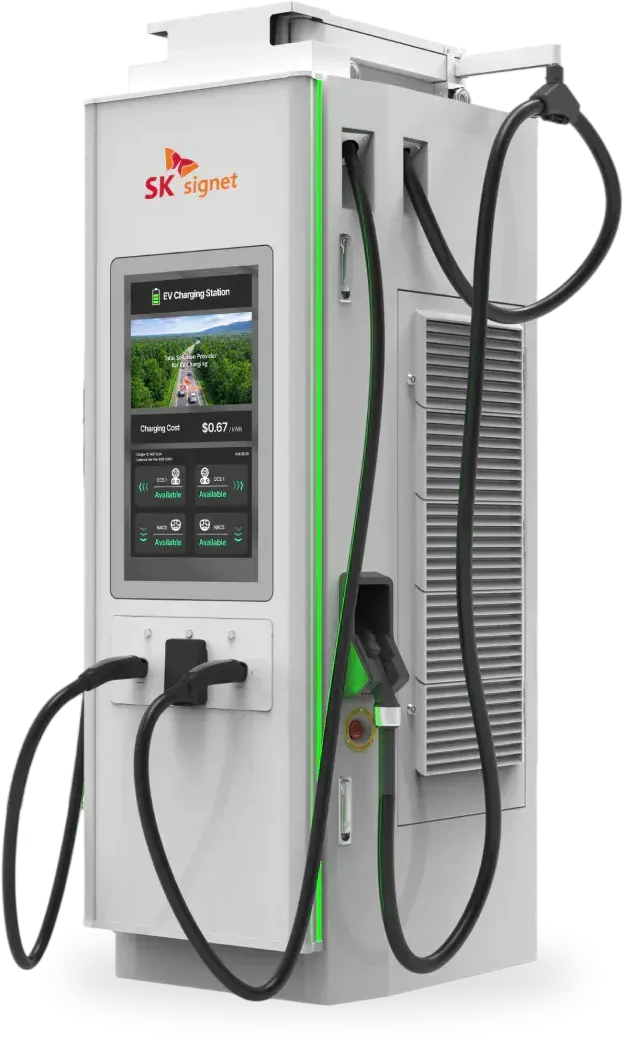
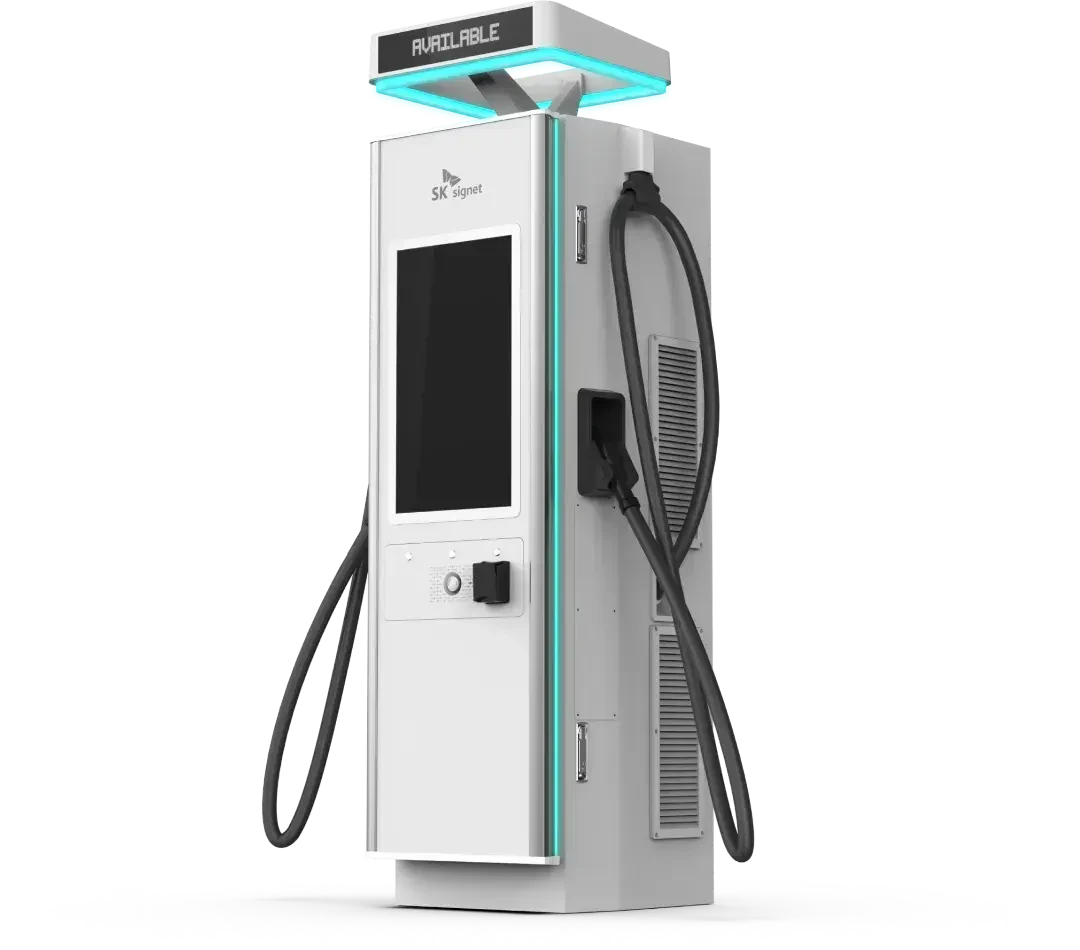
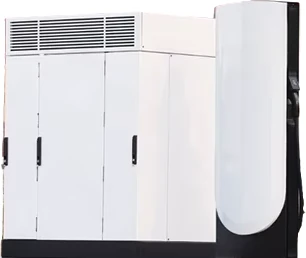
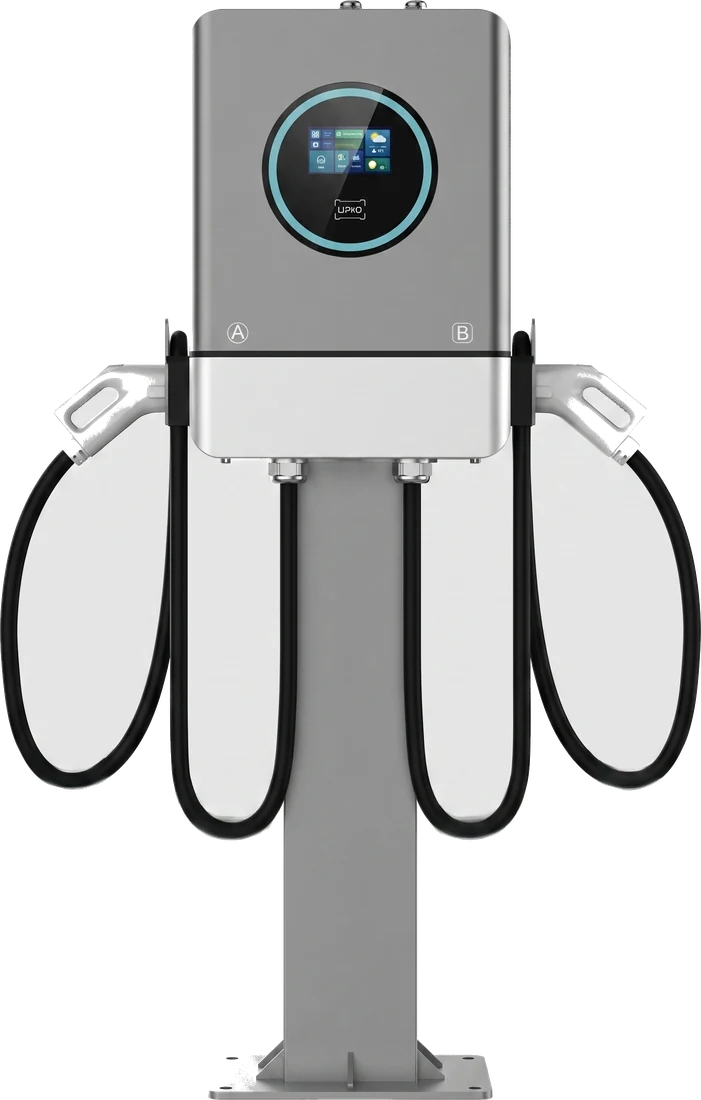
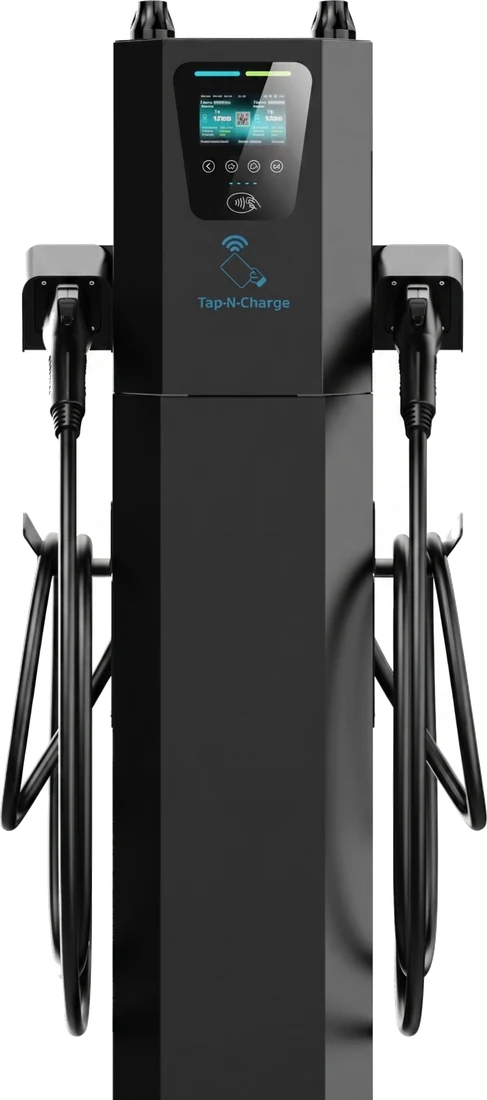
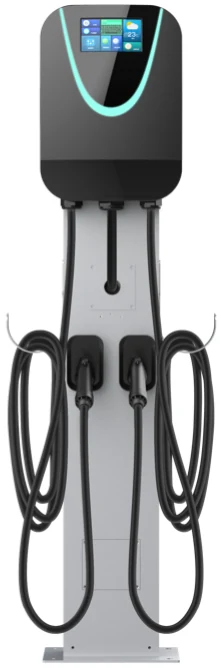
We carry a bench of manufacturers, so the hardware gets matched to the site rather than the site to the hardware. Every DC unit we install has a NACS cable, so Tesla drivers charge on all of them — and where the Tesla badge is itself the draw, we build Supercharger sites too. We size the kW to the dwell and the tariff, not to a quota.
Power level follows dwell. A driver who's leaving in 20 minutes needs 200–400 kW; a diner or hotel guest who's parked for an hour fills up at 60 kW without the demand charge a 400 kW unit pulls onto your utility bill. Overnight is Level 2 territory.
Dwell decides the kW, and it also decides what the visit is worth to the rest of your property — the charger sells power, and the business already standing there sells whatever it sells in those minutes. Size the charger for the dwell you want, not just the dwell you have.
Oversizing is not only a bigger invoice. A charger bigger than the dwell time supports, or more units than your demand calls for, can set a peak on your power bill that the sessions never earn back.
| Your site | How long people stay | How long the charge takes | Class | Usual pick |
|---|---|---|---|---|
| Interstate exit, travel center, high-volume c-storeDrivers want in and out; turnover is the revenue. | 10–20 minThe stop is the bathroom and a coffee | 15–30 min | 350 kW+ | Dual-cable DC, NACS and CCSlike the SK-400, or a Tesla Supercharger where the badge draws |
| Shopping center, grocery-anchored strip, big-box, most c-storesHalf an hour of dwell steps from your tenants' doors. | 40–70 minA shop, an errand, a quick meal | 25–45 min | 200 kW | Dual-cable DC, NACS or CCSlike the SK-200, or a Tesla Supercharger |
| Restaurant, downtown lot, hotel, resortAn hour of dwell fills the battery; oversizing only raises the power bill. | 60–120 minA sit-down meal, an afternoon in town | 45–90 min | 40–60 kW | Dual-port DC, NACS and CCSlike the Topstar RC6000 or RC4000 |
| Hotels overnight, apartments, workplacesParked for hours. Value beyond the meter. | 8–14 hoursOvernight, or the whole working day | 4–8 hours | Level 2 | Level 2 AC, 7.2 to 19 kW, J1772 and NACSlike models from Topstar, Sarin Energy, Wallbox, Tap-N-Charge |
Where the numbers land for your specific address — traffic, competition, and your utility's demand charge — is what the free evaluation and the working call are for.
Fast-charging equipment is quoted, not listed. Pricing moves with configuration, volume and whatever promotions the manufacturers are running, so the honest answer is a current number from us rather than a stale one on a web page. Level 2 is different — it is a product you can simply buy, so those prices are here.
Either way the equipment is the smaller half. Installed cost depends on your electrical service, distance to power and civil work — a two-stall 200 kW build runs about $125,000 to $190,000, including the charger and site work, before incentives. What moves it between the two ends →


Also on the bench. When a site, a utility program, or a brand standard calls for a specific manufacturer, we source and install it at our pricing — the lineup above is what we reach for first, not the limit of what we'll build.
Most EVs on the road today peak at 150–250 kW and taper as the battery fills. A 400 kW charger doesn't make a 150 kW car charge faster; it keeps the site ahead of the next generation of vehicles. The charge-curve exhibit →
On the wrong utility rate, the peak-kW charge on a 400 kW unit at a low-traffic site is the single biggest swing in fast-charging economics. We model your actual tariff before sizing the equipment. What a demand charge is, and what the software does about it → · How much it varies →
A two-cable DC unit serves two stalls; a Tesla post serves one, and Tesla systems start at a four-stall minimum with a dispenser at every stall. When you compare quotes, compare cost per stall and kW per stall, not the price of a single unit.
A charger is hardware plus the layer that decides who may use it, what they pay, whether it's up, and where the money goes. That layer has a price, it recurs, and it is the easiest line to leave off a quote. When you compare quotes — ours included — ask for it in the same units as the equipment: what it costs per year or per kWh, and whether card processing is inside that number or billed separately. The four questions, and what each platform charges to answer them →
Those four are the whole reading list, and this page is the same page we'd hand you at a working call. Take it and buy your own chargers if that's the way you want to go — with the dwell table, the cost-per-stall rule and the tariff question, you can read anyone's quote, ours included. Or hand the address to us and we'll size it, build it, and run it. We'd rather be checked than trusted.
Score the address free, then book a working call — we'll bring your utility rates and incentives and size the equipment with you.