Dwell charging · hotels, apartments, workplaces

Where cars sit for hours, the charger earns somewhere else.

Level 2 is slow and cheap, which is exactly right when the car is not going anywhere until morning. It goes in without a transformer or a utility project, and on most dwell properties the electricity is the smallest of the three things it returns — which is why this is a different argument from fast charging, not a smaller one.

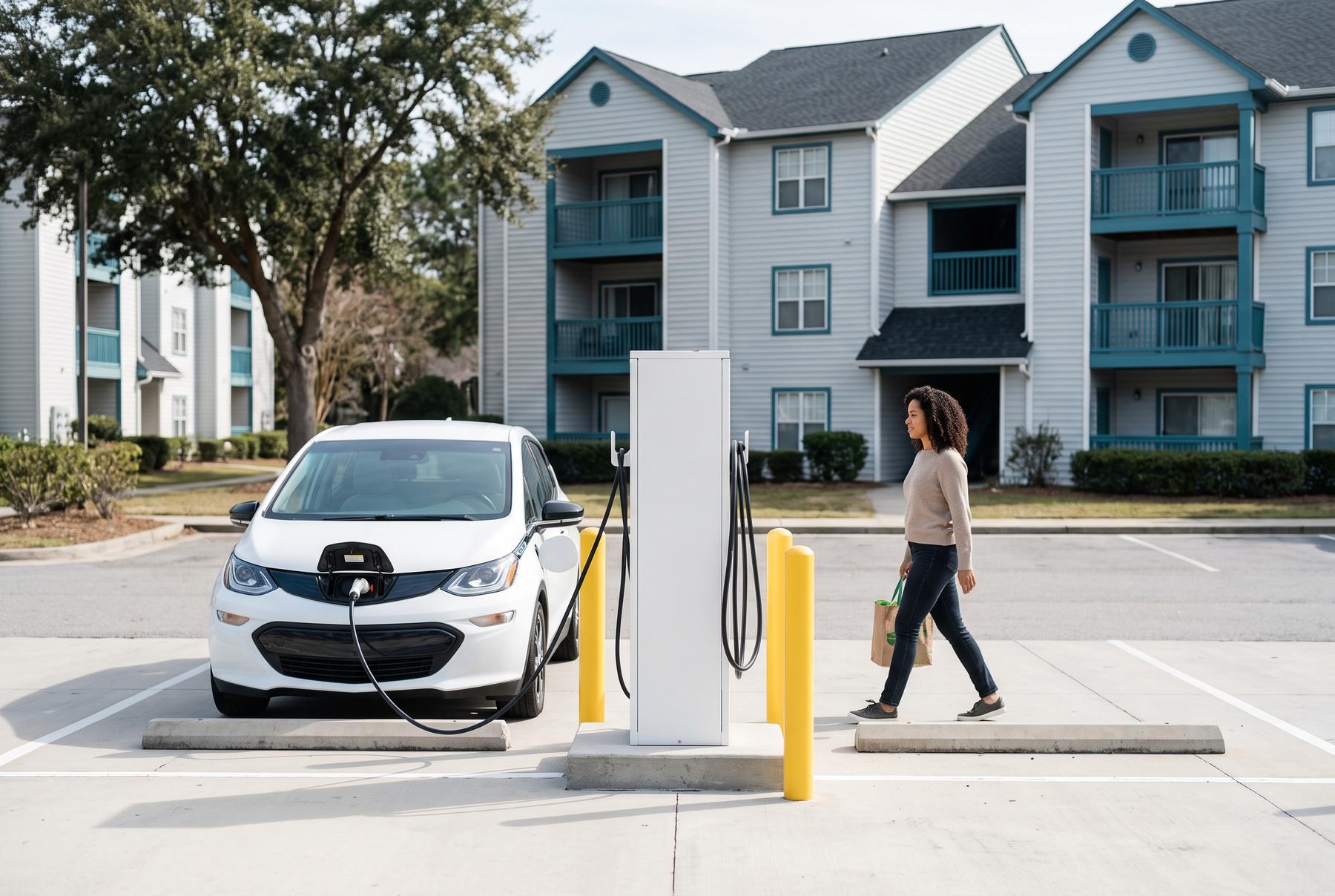
A resident walking into their building after plugging in at the community charger
What it returns

Three returns, and the meter is the small one.

This is the part that surprises owners who come at Level 2 expecting a fast-charging business case. Sell electricity at a dwell property and you will make a little money. The reason to do it is usually the other two.

1 · Attraction

They filter for it before they ever arrive

An EV driver books the hotel that charges and tours the community that charges, because the alternative is arranging their week around somebody else's parking lot. That decision is made before you meet them, on a filter or a map, which is why the charger has to exist before it can earn anything.

2 · Retention

The ones you keep cost nothing to win again

A resident who charges at home renews. A guest who charged last time comes back. At an apartment community a single avoided turnover is worth thousands in vacancy, make-ready and leasing cost — and it never appears on a charging report, which is exactly why it gets left out of most vendors' numbers.

3 · The meter

Real, and the smallest of the three

You can charge for the power, and most owners should — at minimum to cover the electricity and the demand it adds. But a Level 2 stall turns over once or twice a day at best, so treat metered income as the floor under the other two rather than the reason you built it.

Which of the three leads depends entirely on what kind of property you run — and that changes the sizing, the access rules and the pricing enough that it is worth reading the one that is yours.

By property type

The argument is different at each one.

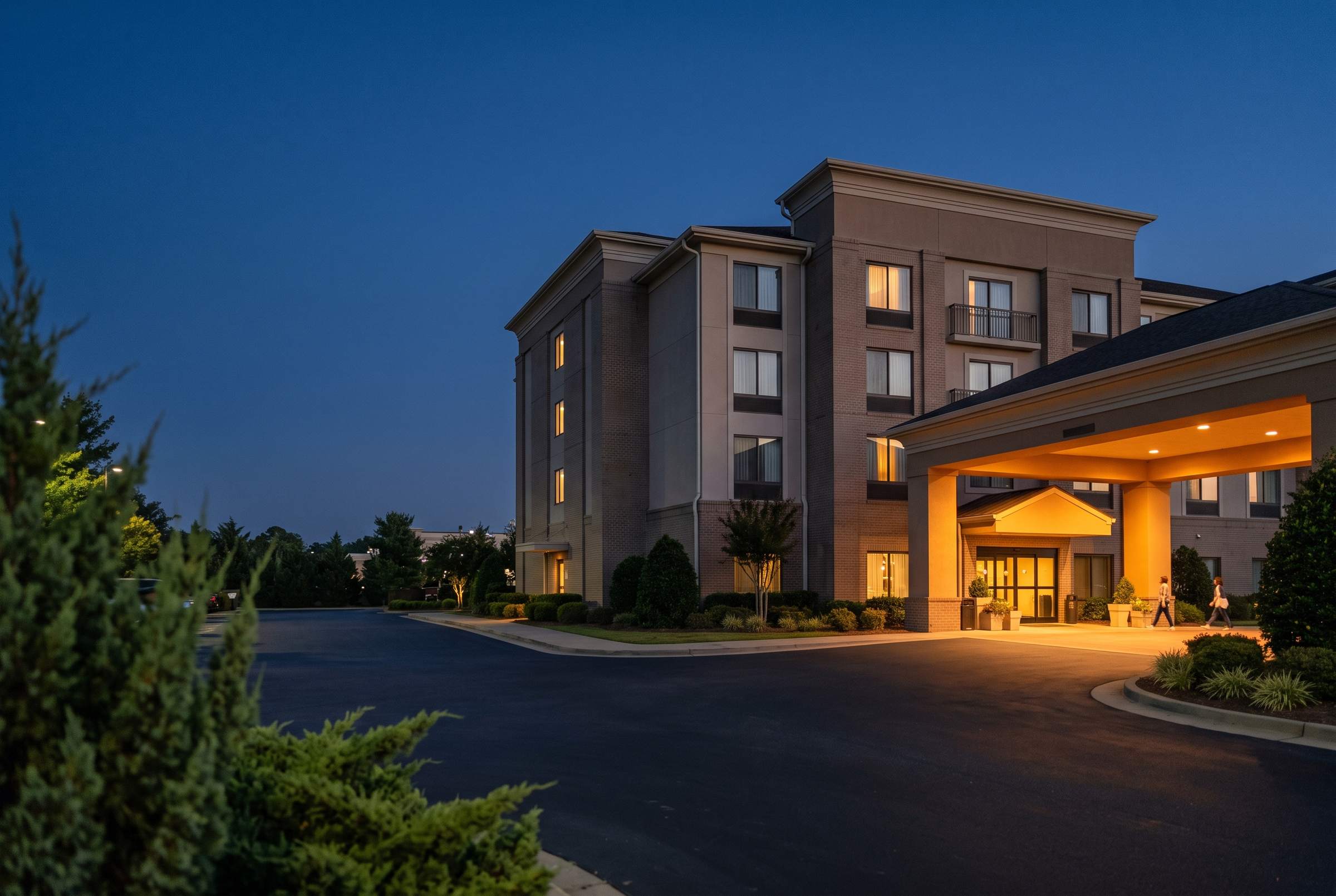
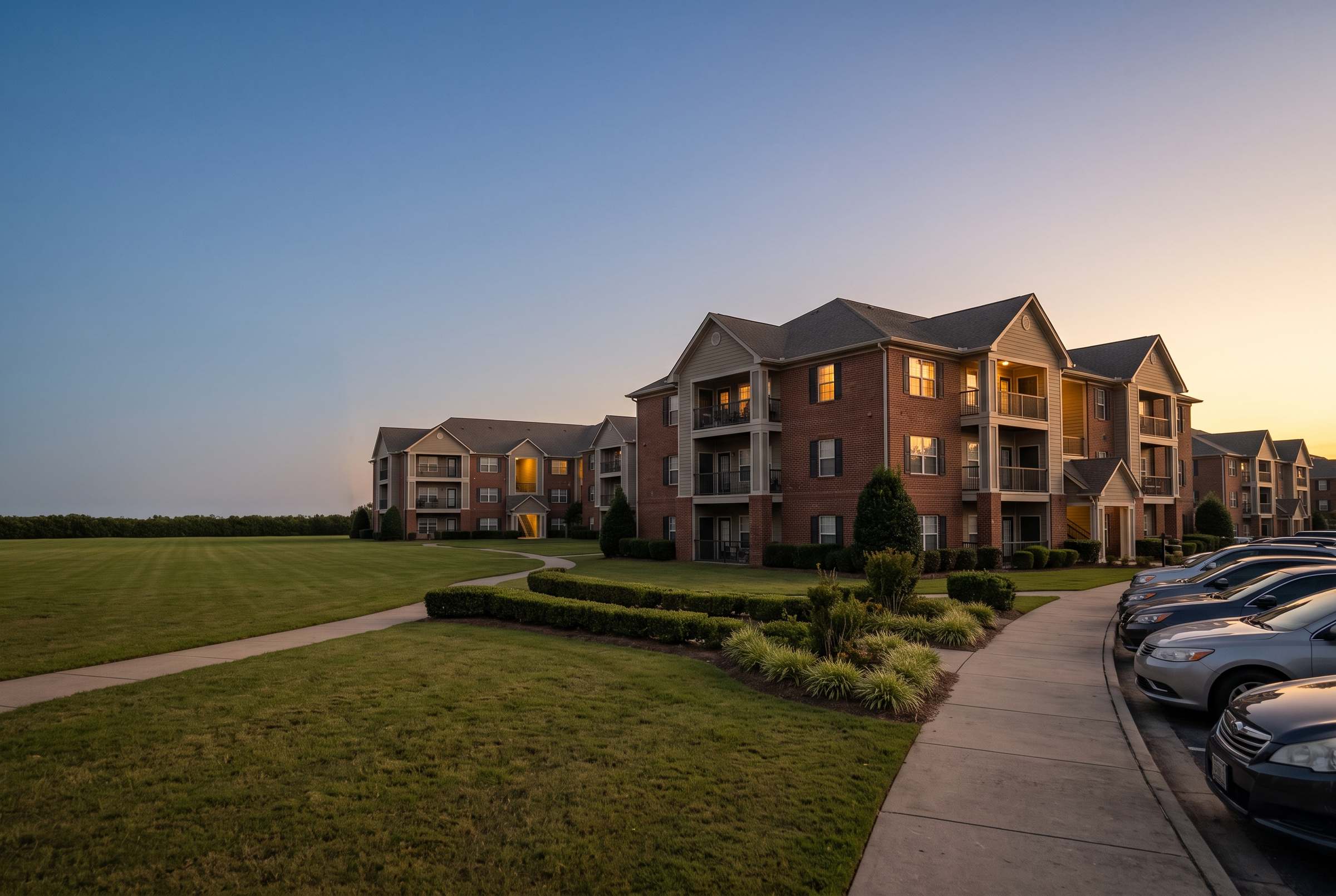
Same hardware, three genuinely different cases. Each of these is written for the person who runs that kind of property, including where the case is weaker.

What it takes

It is a smaller job than people expect.

Most of what makes fast charging expensive — the service upgrade, the transformer, the utility timeline — usually does not apply here.

Where the money actually goes on a Level 2 build

A Level 2 charger draws a fraction of what a DC unit does, so a property with ordinary spare capacity can often carry several without touching the service. What you are really paying for is the trench and the conduit — the distance from the panel to the stalls, and what the route has to cross. Those are the same four conditions that decide a fast-charging build, at a much smaller scale, because the conduit does not care what is on the end of it.

Two things worth deciding early, because they are cheap now and expensive later. Run conduit for more stalls than you are installing — the second phase costs a fraction if the first one planned for it. And settle whether anyone needs to charge at a different rate from everyone else, because that decides the platform before it decides the hardware. The platforms, side by side →

A Level 2 build is quoted like any other: equipment, mounting, the electrical run and the civil work. How a build gets run, open book →

The hardware

Two Level 2 units, and the difference is who gets to charge.

Both are dual-port and both do 32 to 80 amps. What separates them is whether you need to treat one group of people differently from the public.

Tap and pay · nothing recurring

Tap-N-Charge

Our own Level 2 charger. A driver taps a credit card and charges — no app, no account, no list for anyone to keep.

  • NACS + J1772, dual port, up to 19.2 kW
  • Payment built into the unit — no platform fee, ever
  • Nothing to administer, which is the whole point of it
  • Access control: none. Whoever walks up pays the posted rate
From ~$4,100 per dual-port unit — buy it online →
Networked · access rules

EVS QC-910

For the property where a named group charges free, or at a lower rate, while everybody else pays — residents on a statement, staff at none, guests at the public rate.

  • J1772 + NACS, dual port, configurable 32/40/48/80 A
  • Tags and PINs, on at move-in and off the day they leave
  • Sessions attributed to a unit, a tenant or a vehicle
  • Load management, so several units can share one feed
From ~$2,795 per dual-port unit, plus Connect 10 at $199/yr per site and $199/yr per charger — the full lineup →

If anyone on the property needs free or reduced-fee charging, that decision points at the networked unit on day one — and it is far cheaper to answer now than after the units are in the ground.

Get started

Find out what it is worth on your property.

The Level 2 value model is free and runs on your own numbers — your property type, your rates, your stall count. If it does not earn its keep on your site, it will say so.