Dwell charging · Multifamily

Renters filter for charging. Then the lot starts carrying more than cars.

Charging earns its keep at a community twice over: it is a filter renters use before they tour, and a reason to stay when their term is up. And where residents already gather — the pool, the clubhouse — the same dwell time lets that space earn its keep instead of sitting empty between events.

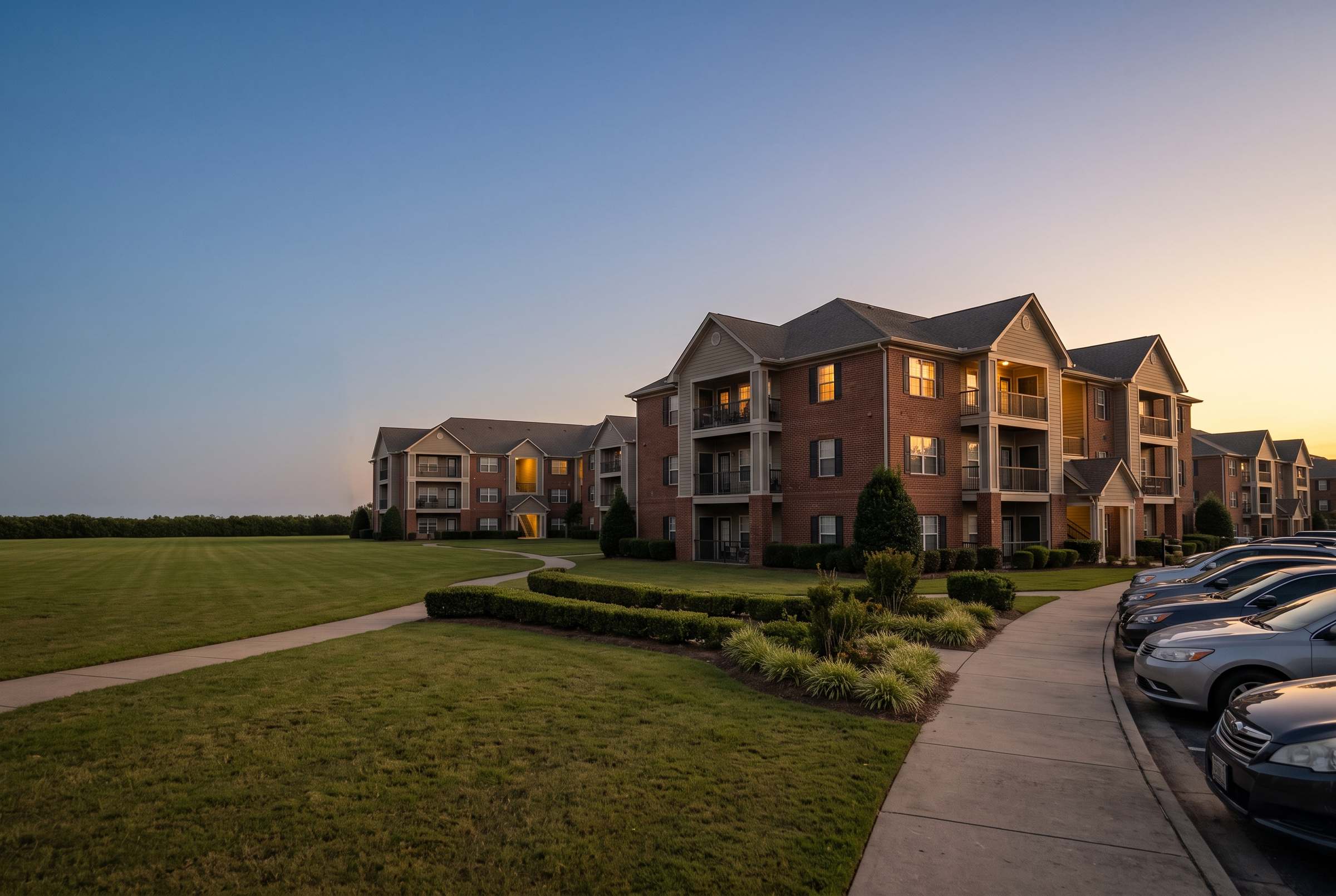
A garden-style apartment community at golden hour
Why it pays

Lease-up, retention, and spend that stays on the property.

1

The lease you sign

Charging is on the filter list before the tour is booked, the same way in-unit laundry went from a nice-to-have to a reason a unit sits empty. It supports lease-up and it supports the rent premium.

2

The resident who renews

Someone who charges where they sleep has a reason to stay that a rent bump has to argue with. Every turnover avoided is thousands kept — which is the number worth putting against the install, not the electricity.

3

The spend that stays on site

A resident plugged in is a resident on your property with twenty minutes to fill. A marketplace, hot food, a clubhouse worth renting out — none of it is new traffic. It is spend your residents were already making somewhere else.

Level 2 deployed strategically across the property usually does the job. Residents have access, the car charges overnight where it is already parked, and equipment and install costs stay contained. DC is a capacity decision, not a public one: larger communities, or those with limited parking, might consider 40–60 kW — and in some cases that pencils out ahead of a larger Level 2 buildout. Where low-power DC does fit, a clubhouse with a marketplace and a lounge adds purpose to community assets that are frequently under-used.

Beyond the plug

Put the clubhouse to work.

A clubhouse is usually the most expensive under-used square footage on the property. Once residents have a reason to be out there anyway, the same room can carry things that were never worth staffing — because none of these need staff. It works because it sits with the amenities residents already walk to, not because charging brings them across the community.

Robotic ovens Grab-and-go market Mail, parcel & lockers Covered seating Dog park Drivers lounge

Which of these earn their place depends on unit count and how your residents actually use the space — that is a conversation, not a spec sheet.

Who runs it

You own it. We run it.

How ownership works

You own the equipment, we build it and we operate it, and the revenue is yours. These are owner-funded projects — there is no outside capital to wait on and no revenue share negotiated away before you see the first dollar.

Charging is monitored around the clock, drivers call us instead of your leasing office, and you get a monthly report and a monthly payout.

What we actually do

Day to day, the chargers run on Connect 10, our platform. It handles access, pricing, payment, monitoring and the reporting behind your payout. You decide two things, and they are separate decisions — you are not picking from a menu of four packages.

1 · How the money is collected

  • We collect at the charger. Drivers pay at the point of use, we handle the transactions and remit to you, and a 10% utilization fee applies.
  • You bill residents directly. We send you the usage reporting and you put it on the monthly statement residents already receive. No utilization fee.

2 · Who is allowed to use it

  • Residents only — access is restricted to registered residents.
  • Open to the public — anyone can pull in. Unregistered guests pay at the charger, and that usage carries the utilization fee.
Opening the lot does not mean giving up the resident relationship. Set a lower per-kWh rate for residents who register for monthly billing than for an unregistered public driver, and registration becomes worth their while — you keep the resident benefit, and the passer-by pays the going rate.

What a property will carry comes down to unit count, EV adoption in your market and how the parking is laid out — which is what the free evaluation measures.

How it lands

Retrofit, or designed in from the start.

Retrofit

  • Works off the service you already have wherever it will take it — we check the panel before anything is promised.
  • Level 2 goes in at existing stalls with trenching kept to the shortest sensible run.
  • Charging goes in where residents already park — by their own building, not at a hub they would have to drive to.
  • Phased is normal — charging first, because it is the part residents ask for, then the rest once the community is actually using it.

New build

  • Conduit and capacity designed in, which is a fraction of what the same stalls cost to add later.
  • The amenity space gets planned around the dwell instead of inheriting it — sightlines, power, and somewhere for people to actually sit.
  • Stalls are sited where people park anyway, so charging is a short walk from the front door rather than a trip across the community.
  • Charging counts toward the amenity package you are already marketing on.
If your property is one of these

Semi-private and public-adjacent sites.

Everything above assumes a standalone community — your residents, no outside guests. Some properties are not that, and they can carry more.

Mixed-use and public-adjacent

  • Ground-floor retail or a shared parcel means the lot already sees people who do not live there.
  • A drivers lounge starts to earn its footprint: seating, shelter and a marketplace serving residents and drivers from the same space.
  • Autonomous checkout keeps the leasing team on leasing, and the space can share a footprint with the staff office.

Build-to-rent and large communities

  • Homes spread across a site with one pool and clubhouse that residents drive to — often seasonally.
  • DC concentrates charging at that amenity core instead of running Level 2 to every driveway.
  • The dwell already exists there, which is what makes a lounge worth building rather than hoping for.
Get started

Find out what your lot would carry.

The Level 2 value model runs on your unit count and your market, free. If the numbers do not work on your property, it will say so.